How to Choose the Best Bedside Patient Monitors for Hospitals?
Choosing the right bedside patient monitors is critical for enhancing patient care in hospitals. In a recent report by MarketsandMarkets, the global bedside monitor market is expected to reach $4.06 billion by 2026. This growth highlights the importance of investing in advanced technologies for better patient outcomes. With an increasing demand for real-time monitoring, hospitals must select equipment that meets clinical standards.
Specific features of bedside patient monitors, such as versatility and accuracy, can significantly impact patient management. High-quality monitors can detect potential issues early, thus reducing hospital stay lengths and improving recovery times. According to another study, accurate monitoring reduces adverse events by 30%. However, not all monitors are created equal. Some may lack critical functionalities like remote access or user-friendly interfaces, which can hinder effective use.
As hospitals strive to provide the best care, they face challenges in choosing the right equipment. The plethora of options can be overwhelming. Budget constraints often prevent facilities from acquiring the latest technology. It’s essential to evaluate both clinical and economic factors thoroughly. Balancing cost with quality ensures that hospitals can rely on their bedside patient monitors for optimal patient safety and care.
Understanding the Importance of Bedside Patient Monitors in Hospitals
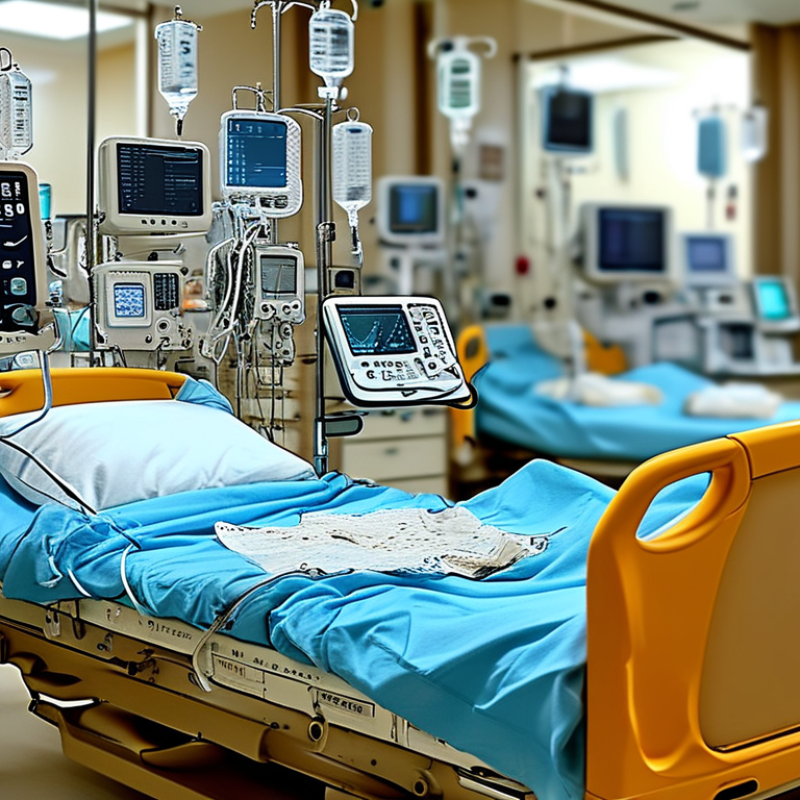
Bedside patient monitors play a crucial role in hospitals. They enable real-time tracking of patients' vital signs, such as heart rate and oxygen levels. According to a recent report by the Health Information Management Association, timely monitoring can reduce patient mortality by up to 25%. This statistic emphasizes the urgency of selecting high-quality equipment.
When choosing monitors, consider their ease of use. Staff members should quickly understand how to operate them. Complicated systems may lead to operational errors, putting patient safety at risk. A user-friendly interface is vital.
Tip: Look for monitors with customizable settings. This allows adjustment to individual patient needs. Additionally, check for alarms that are clear and distinct. False alarms can cause alarm fatigue, reducing staff responsiveness.
Data from the American Association of Critical-Care Nurses indicates that appropriate use of bedside monitors correlates with improved patient outcomes. Reliable monitors provide accurate data, aiding clinical decision-making.
Tip: Regularly review monitor calibration. This ensures the data remains trustworthy. Addressing these aspects enhances patient safety and care effectiveness. Careful selection contributes to overall hospital quality and improves patient experiences.
Key Features to Consider in Bedside Patient Monitors
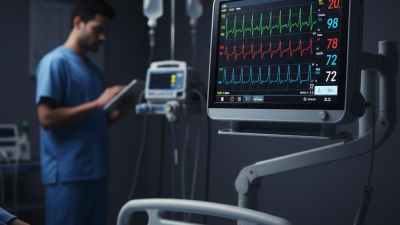
When selecting bedside patient monitors for hospitals, understanding key features is essential. These monitors must provide accurate, real-time data. Essential metrics include heart rate, blood pressure, and oxygen saturation. The display should be clear and user-friendly, enabling quick interpretation by healthcare staff.
A reliable alarm system enhances patient safety. Alarms should be customizable but not overly sensitive, which can lead to alarm fatigue among staff. Connectivity with other hospital systems is also crucial for seamless data integration. This allows for collaborative care and timely interventions.
Battery life and portability matter significantly, especially during emergencies. Monitors should be lightweight and easy to move if necessary. While advanced features are appealing, the focus should remain on essential functionalities for everyday use. Balancing innovation with reliability can be challenging, requiring ongoing evaluation and feedback from medical professionals.
Evaluating Accuracy and Reliability in Patient Monitoring Systems
When selecting bedside patient monitors, accuracy and reliability are paramount. These monitors must provide real-time data that caregivers can trust. Monitoring vital signs is critical in making urgent decisions. A monitor's accuracy can be influenced by several factors, such as sensor calibration and patient movement. Thus, these elements should be evaluated carefully.
Tips: Always choose monitors with customizable settings. This allows adjustments based on specific patient needs. Consistent user training is also essential. Staff should know the equipment well, ensuring correct readings. Routine maintenance checks can prevent malfunction and inaccuracies.
Reliability is not just about technology; it's also about user experience. Some monitors may seem easy to use but offer misleading information. Frequent false alarms can lead to alarm fatigue, causing healthcare professionals to overlook critical alerts. Therefore, seeking feedback from users about their experiences can guide better choices.
Monitoring systems must support an array of patient conditions. Devices that struggle with certain demographics may lead to gaps in care. Always consult clinical guidelines and empirical studies to ensure the chosen technology meets established reliability standards.
How to Choose the Best Bedside Patient Monitors for Hospitals?
| Feature |
Importance Level |
Accuracy (%) |
Reliability Score (1-10) |
Average Cost ($) |
| Heart Rate Monitoring |
Critical |
98 |
9 |
1500 |
| Blood Pressure Monitoring |
Critical |
95 |
8 |
1600 |
| Oxygen Saturation Levels |
High |
97 |
9 |
1400 |
| Temperature Monitoring |
Moderate |
96 |
8 |
1200 |
| ECG Monitoring |
Critical |
99 |
10 |
2000 |
Assessing User Interface and Usability for Healthcare Professionals
Selecting the right bedside patient monitor is crucial for effective patient care. The user interface and usability are primary factors for healthcare professionals. A well-designed interface enhances efficiency and minimizes errors in high-pressure environments. According to a study by the Journal of Biomedical Informatics, intuitive layouts reduce time spent on monitoring tasks by up to 25%. This improvement allows nurses to focus more on patient interaction rather than equipment.
Healthcare professionals need monitors that are easy to navigate. Complicated systems can lead to frustration and miscommunication. Training time is often overlooked; monitors with a steep learning curve can lengthen onboarding processes. A 2021 report by the Healthcare Information and Management Systems Society (HIMSS) indicated that 40% of healthcare workers felt overwhelmed by complex systems. Simplicity and clarity in design are essential.
**Tip:** Choose monitors with customizable interfaces. This feature allows adaptation to the specific needs of different departments.
Also, consider how the monitors display critical alerts. Visual cues and audible alerts should be clear and prominent. A 2019 safety report highlighted that ineffective alerts contributed to 30% of alarm fatigue among staff.
**Tip:** Regularly review feedback from users. This practice can help identify usability issues early on.
Patient Monitor Usability Ratings by Healthcare Professionals
Cost-Benefit Analysis: Budgeting for Bedside Patient Monitors in Hospitals
When budgeting for bedside patient monitors, hospitals must assess the clinical needs versus financial constraints. Reports show that healthcare facilities can spend significantly on monitors. Costs may vary from $2,000 to $10,000 per unit, depending on features. Investing in high-quality monitors can reduce complications and improve patient outcomes. This, in turn, can lower long-term costs associated with extended hospital stays.
A cost-benefit analysis is essential. For instance, a study noted that effective monitoring could decrease adverse events by up to 30%. This means fewer emergency situations and potential savings on emergency care costs. However, hospitals often struggle to balance high-quality monitoring with budget limitations. They must also consider ongoing maintenance and training costs associated with these devices.
Hospitals may need to reflect on their purchasing decisions. Sometimes, cheaper options lead to more frequent equipment failures. This can increase costs over time due to repairs or replacements. It's important to analyze both upfront and long-term expenses. The goal should be effective monitoring that provides reliable data, ultimately enhancing patient safety and operational efficiency.